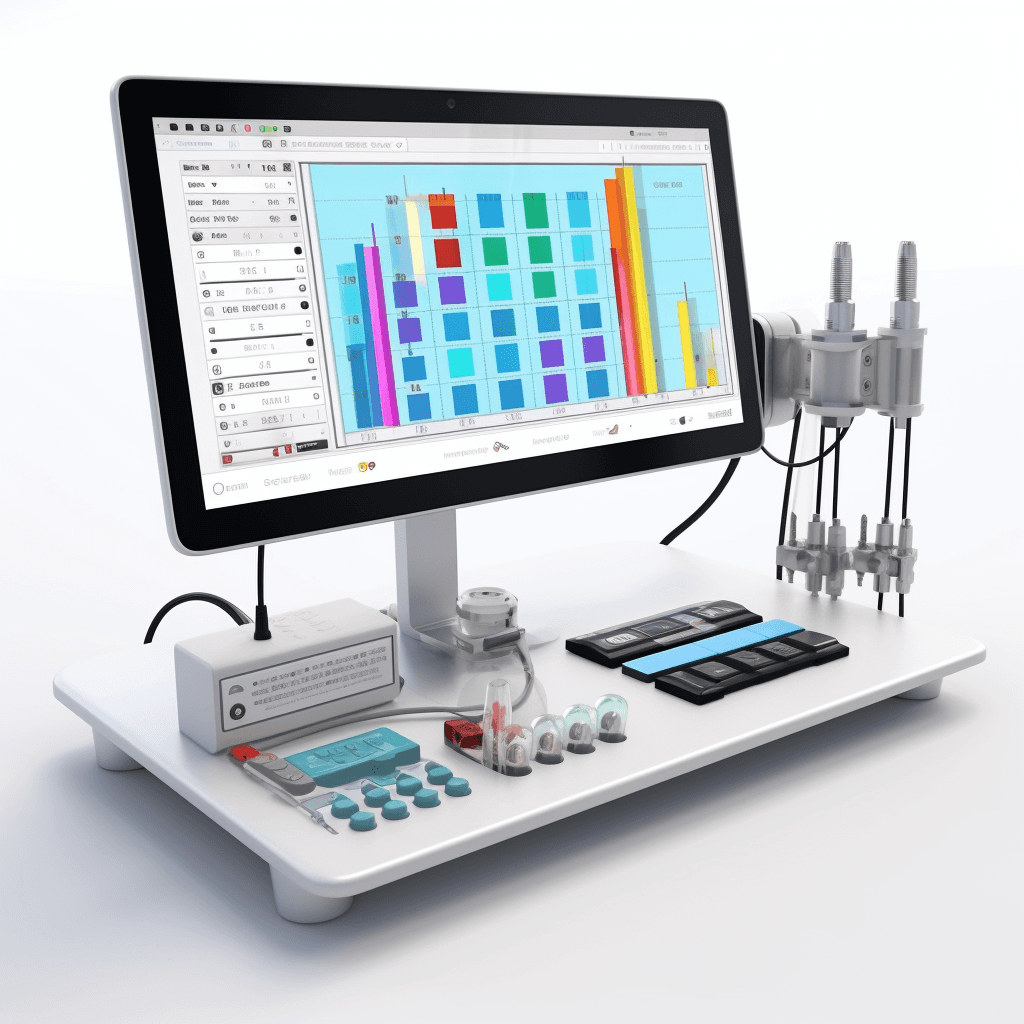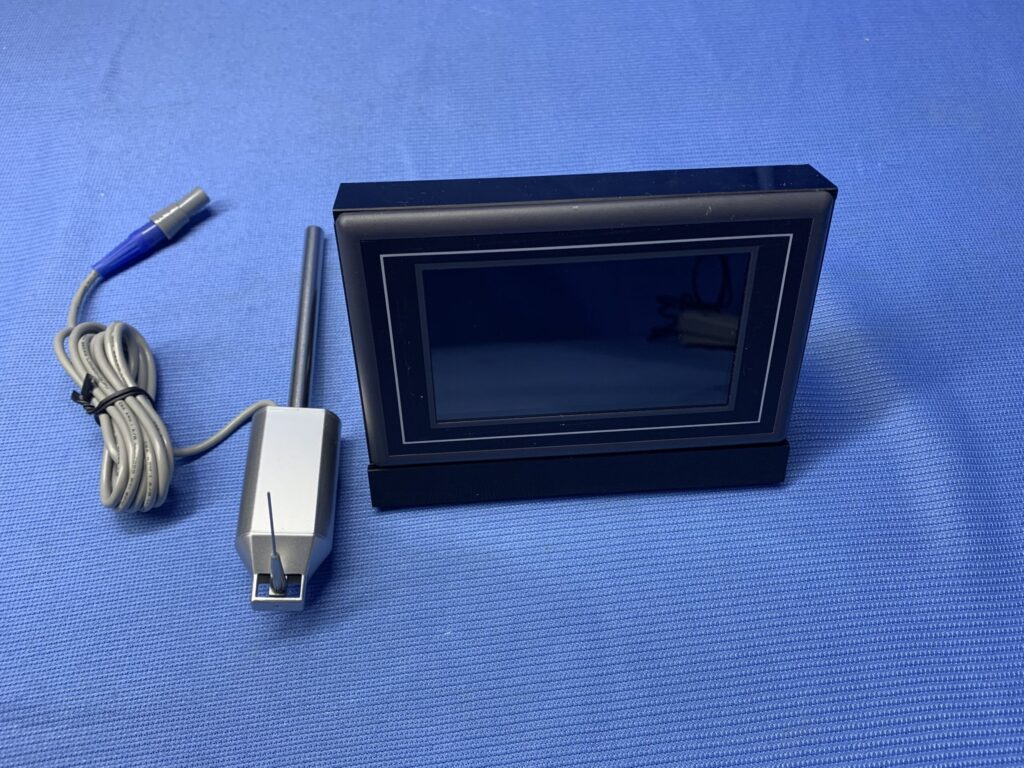
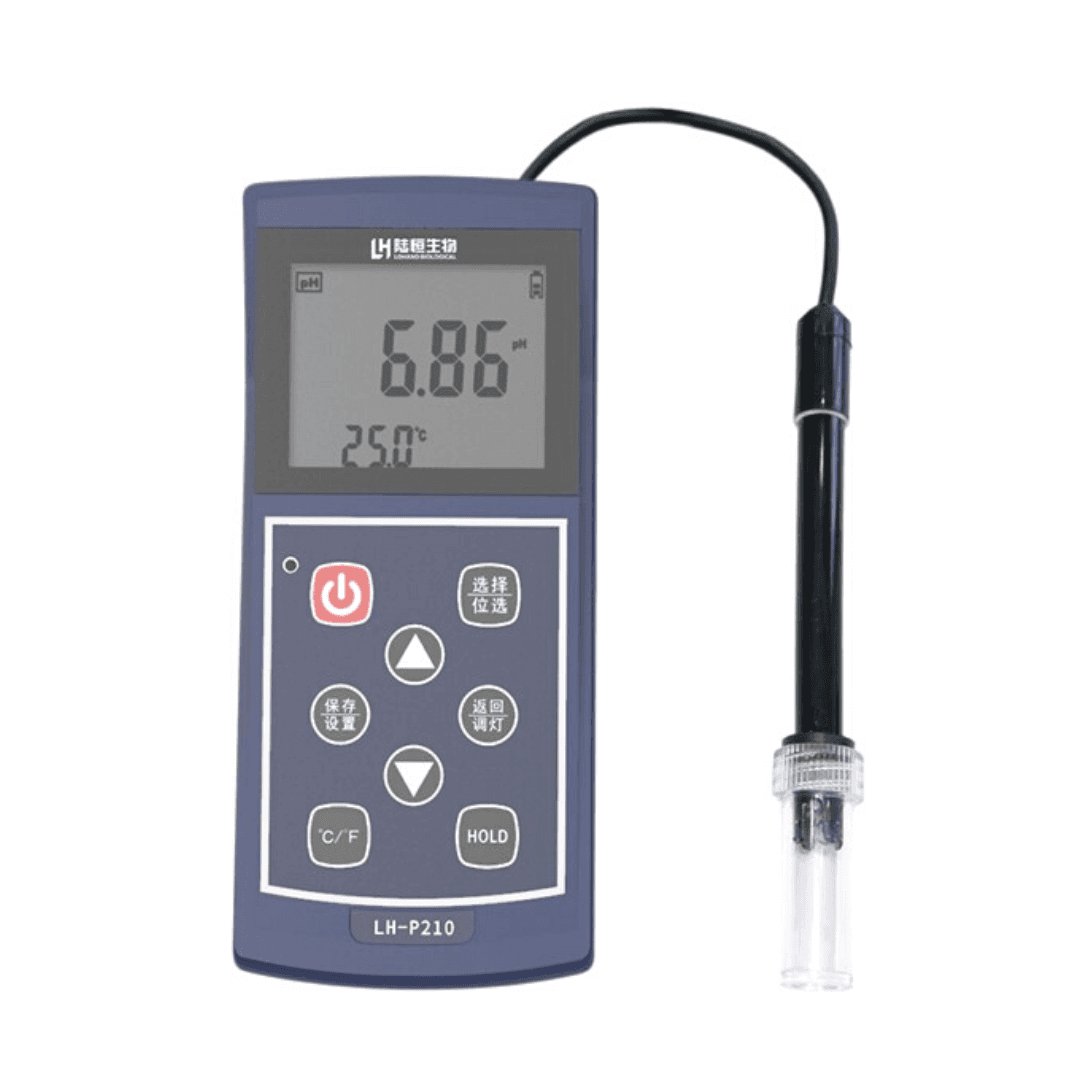
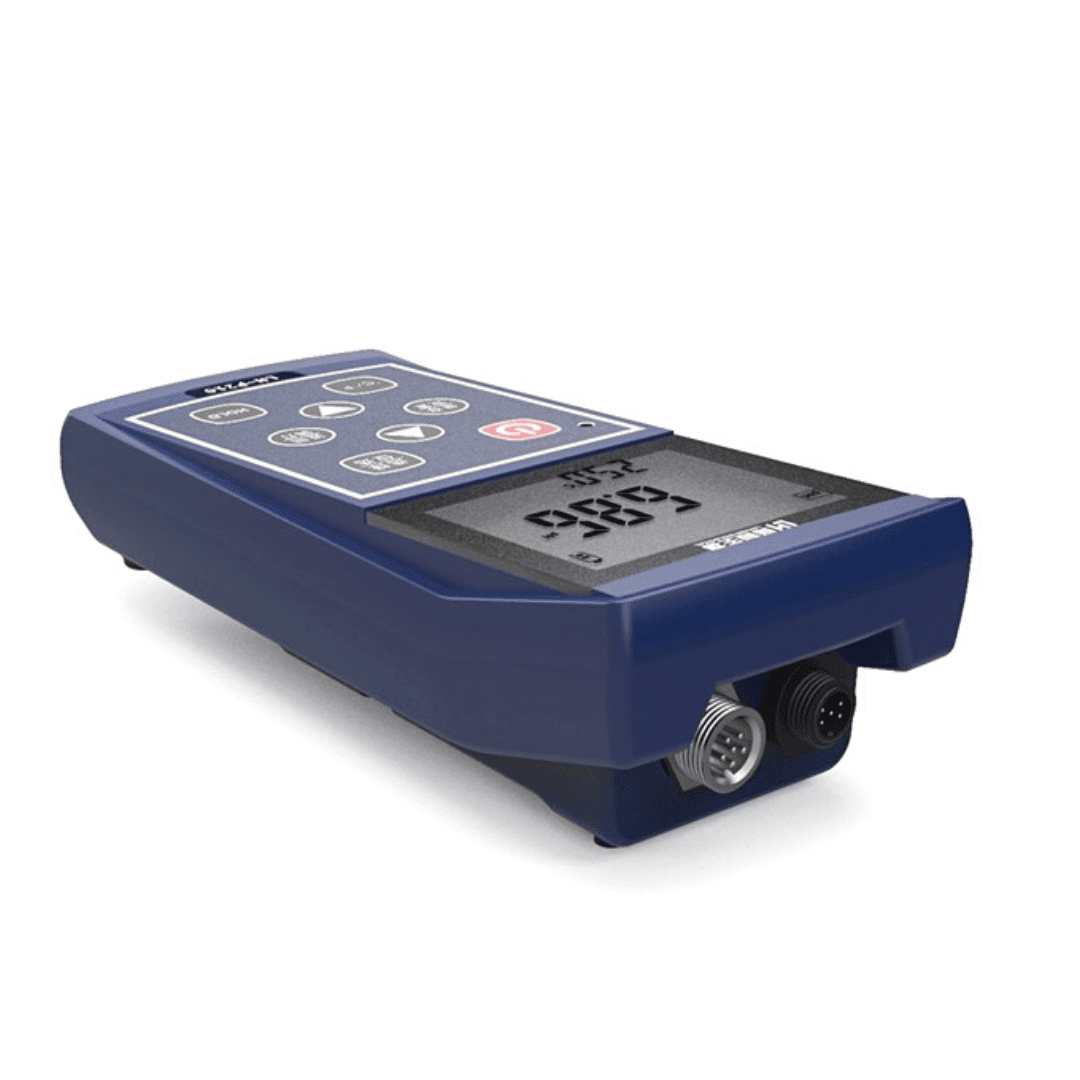
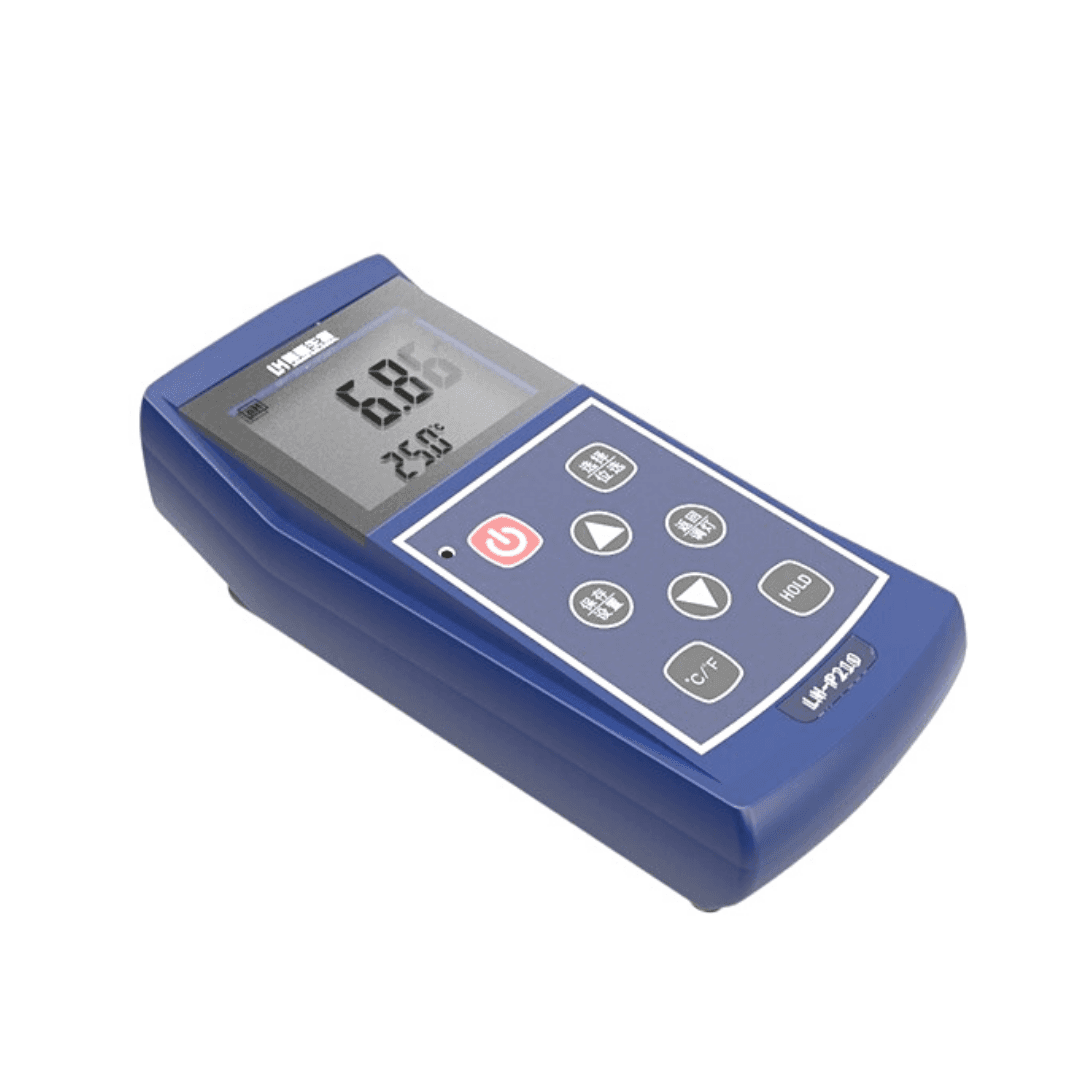
Perfect for researchers on the go, this lightweight, small, portable pH analyzer has a range of between 0.00-14.00 with a resolution of 0.01 and accuracy of less than or equal to a pH of 0.02. With a lithium battery, this apparatus is rechargeable. Graded with an IP65, this sensor is dustproof and water-resistant.
Meet the producer
Producer:
AfaSci, Inc. is a biopharmaceutical company focused on discovering and developing innovative therapies for pain management and neurological disorders. Based in the San Francisco Bay Area, AfaSci specializes in non-opioid, non-NSAID solutions to address chronic pain, neuropathic conditions, and central nervous system diseases. Their research is centered around peptide and small molecule drugs, with several promising preclinical candidates targeting specific ion channels and enzymes involved in pain and inflammation. With a strong intellectual property portfolio and strategic partnerships with academic institutions, AfaSci is dedicated to advancing novel treatments that aim to improve patients' quality of life while reducing reliance on traditional painkillers.
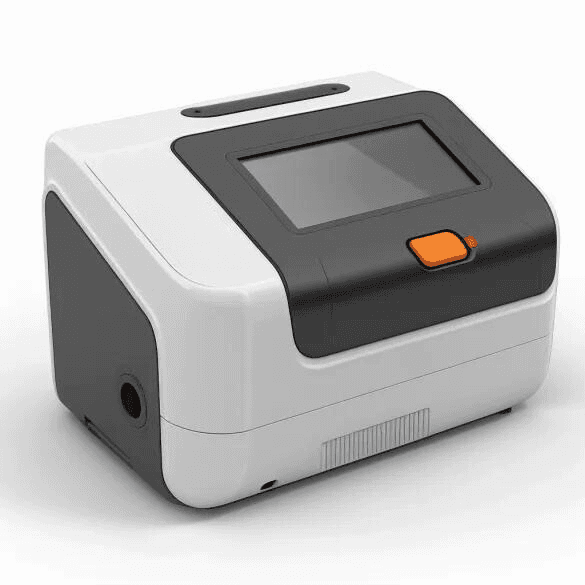
Widescreen LCD display, with operation prompt function, easy to use.
Using 32-bit microprocessor technology, with automatic temperature compensation.
It adopts a lithium battery power supply and has the power management function of charging and power failure protection.
Low power consumption design, the backlight is turned on and off automatically by external light.
The protection grade is IP65, waterproof and dustproof.
Three kinds of pH buffer reagents can be selected for one-point or two-point calibration of the instrument.
Technical Information
Measuring range
pH
(0.00-14.00)рH
mV
(-1999.9~1999.9)mV
Temp
(0.0-80.0) ℃ (32-176)℉
Resolution
pH
0.01 pH
mV
0.1 mV
Temp
0.1 ℃(0.1℉)
Accuracy
pH
≤±0.02pH
mV
≤±0.1%F.S
Temp
≤±0.5°C
pH temperature automatic compensation range
0.0-60.0℃(32-140℉)
Protection grade
IP65
Power supply
Polymer lithium battery
Size
165 x75x51mm
Weight
270g(without electrodes)
Training Protocol
Before and after use, the electrode should be cleaned with pure water to ensure the accuracy of the measurement. After the measurement using a viscous sample, the electrode needs to be cleaned with hot pure water
Electrodes should be cleaned with pure water after intermittent use and not come into contact with oil and organic silicone substances.
After a period of long-term use, the electrode can be cleaned in 4% HF solution for 3-5 seconds or in dilute HCl solution for 1-2 minutes. After washing with pure water, soak in potassium chloride (3mol/L) solution for 14 hours
Reviews
There are no reviews yet.